
Aid & Big wall
10 Tips for Yosemite Valley
Practical, hard-earned advice for climbers heading to Yosemite’s big walls—covering Camp 4 tactics, bears, hydration, bivvy strategy, sun management, gear choices, insurance, and pacing yourself on long granite routes. A no-nonsense survival guide to staying safe, efficient, and sane in the Valley.
By Andy Kirkpatrick
February 10, 2011
Reading Time:07 minutes.
Warning: All of these articles are decades old, most written in the 1990s! Any references to gear are now seriously outdated, as are mentions of “state-of-the-art” techniques. They are included here because they still hold some value—some fundamentals of climbing never change.
It’s around this time of year that I start getting a flood of enquiries about big wall courses, usually from people with their eye on The Nose. Unfortunately, this year I’ve had too much on to run any courses, so I thought I’d scribble down a few random thoughts and tips for those heading to the Valley.
Getting into Camp 4
This is a big one, as the “Camp Full” sign never seems to come down. To get a place you need to be in the queue at 6am (bring a book, coffee, and a chair or bouldering mat to sit on). The queue builds fast, but people are always leaving, so as long as you’re near the front you should get a spot.
In the good old days you could arrive late and bivvy next to the booth, but there’s a sign there now saying not to. These days you either camp outside the Valley (there are plenty of cheap motels that make good stopovers after a flight) and drive in at dawn, or you go semi-illegal for one night and get in the queue first thing.
Strategies for semi-illegal camping include:
- Sleeping next to the booth and risking a bust by a ranger (don’t bivvy until very late or you’ll get caught on the evening round). If you have no transport out of the Valley you may get let off.
- Sleeping in someone else’s campsite in your sleeping bag (same risks as above).
- Sleeping in the boulders. For this you need to climb a long way up, as rangers patrol the area (with night-vision goggles), so you’ll need a proper hidey-hole. You’ll also have to deal with insects, bears and general jungle noise. All food must be stored in a bear box.
- Bivvying on a wall. This is legal and involves arriving ready to climb and getting straight on a route. You can get busted bivvying at the base unless you’re off the ground, so a ledge is best. On my last trip I spent a lot of time bivvying at the base of El Cap as I was starting routes at midnight. Downsides include other parties waking you up (speed climbers), animals (some small, some very large), and a lack of amenities.
The bottom line is that you need a proper base camp, either in Camp 4 or outside the Valley with a daily drive-in.
Watch out for bears
Bears in Yosemite are a real issue. On my last two visits I’ve had gear trashed, and last year I had two close encounters in daylight. The rule is simple: all gear — food or not — must go in a bear box or be hauled well out of reach.
Bears will trash an empty rucksack or haul bag just to check it, and they’ll happily bite water bottles to see if there’s Gatorade inside. If you leave food or gear out, haul it at least 10 feet off the deck.
Don’t get benighted
Camp 4 is full of people staggering back in the dark, and plenty who don’t make it back until dawn. Even if you plan to climb fast, super-long routes take longer than expected. Add slow parties, dehydration, and route-finding hiccups, and suddenly the sun’s going down on your big plan.
Always carry a headtorch (a Petzl Tikka Plus is ideal). It allows you to climb on or retreat safely if things drag on.
Get a bladder pack
Get a hydration bladder and learn to ration it, drinking mainly at belays. Mix in Gatorade or another sports drink to improve taste and replace electrolytes.
Stick a watch on your bladder
Clip a watch to the shoulder strap of your bladder (you can’t jam with one on your wrist). Keep track of pitch times, belay changeovers and overall progress. A visible clock helps you understand your speed and keeps things moving — vital on long routes. Choose a bladder pack that can carry a bit of extra kit.
Carry a minimalist bivvy kit
If you’re on a very long route and aren’t sure you can climb and descend in a day, carry some insurance. Often you’ll top out late and face a sketchy night descent. Sitting it out and descending in daylight can be the better call.
The following should live in your bladder pack:
- Headtorch (with fresh batteries)
- Lighter in a plastic bag (for fires)
- Lightweight shelter — foil bag, survival blanket, or something like an Alpkit bivvy folded flat against the back panel
- Warm top (thin synthetic layers work best and double as wind protection)
You could also add a shell jacket and a spare pair of socks.
Watch out for the sun
In Yosemite, the sun is your enemy. Think of it as toxic. Long routes demand full sun protection: long trousers, long sleeves and a sun hat. Light colours work best. Go for adaptable systems — roll-up trousers, sleeves you can push up.
Avoid cotton. If it gets wet you’ll suffer far more. Lightweight, breathable synthetics are the way forward.
Go for comfy boots
Unless you’re climbing at your limit, most of the climbing is about moving efficiently on terrain well within your grade. Comfort matters. You’ll be wearing your boots for a long, long time — and for days on end.
Get good approach shoes or trainers for approaches and descents and clip them to your harness when leading. Make sure they have strong clip loops and always use a small screwgate, as twisting shoes can unclip themselves.
Get insurance
Don’t go to the States without proper insurance or you’ll get fucked. A friend of mine lost a finger in a climbing accident and ended up with a $19,000 hospital bill.
Get proper climbing insurance (the BMC is excellent). You can be charged for rescue if you’re judged negligent.
Don’t get burnt out
Yosemite can be intense: great weather, endless climbing, heat, long routes, and even longer evenings of fireside bullshitting. Take rest days. Get out of the Valley occasionally. Avoid getting sucked into the cafeteria vortex.
Start slow and build towards your objective. Granite takes getting used to, and rushing in can leave you fried, benighted, or intimidated.
10.5 Have fun
In Part 2 I’ll cover more big-wall-specific tips.
PV Podcast
Read More
Reflections
Midnight Run
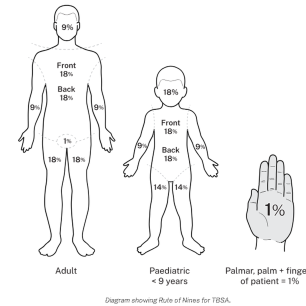
A midnight emergency run across Lough Corrib with a badly burned child—fear, mistakes, and instinct collide in this raw story of risk, parenting, and consequence.By Andy Kirkpatrick
Reflections
G is for Garibotti
A quiet evening in Rolando Garibotti’s Boulder kitchen in 2004 reveals the human side of one of Patagonia’s greatest climbers. A personal reflection on talent, illness, humility, and the day climbing regained its wonder.By Andy Kirkpatrick
Reflections
U is for Unknown Pleasures
What do you really get out of climbing? Not just the views. A deeply personal reflection on the small, unexpected rewards of mountaineering — from frost-nipped fingers and cheap tea to coming home changed.By Andy Kirkpatrick
Climbing
GriGri Unconfidential
A raw, honest confession about repeatedly fucking up with the Petzl GriGri — misthreading, open-device rappels, and the psychology of climber errors. Not a gear review, but a deep look at why we all make mistakes and why honesty matters more than looking competent.By Andy Kirkpatrick
Climbing
Beyond Help
When professional rescue isn’t coming: A gripping account of a near-fatal fall in Kenya and a fatal accident in Kalymnos. Essential reading on self-rescue, expectations vs reality, and staying alive in the mountains.By Andy Kirkpatrick
Climbing
Psycho Vertical (2017)
"Psycho Vertical: a raw climbing film about fear, obsession, and pushing into the vertical unknown, where control slips and consequences bite."By Andy Kirkpatrick
Reflections
Brotherhood of Rope
Andy Kirkpatrick returns to climbing after a neglected bicep injury, grappling with ego-bruising restarts, chaotic family crag days, and the raw futility of the sport. Reflections on old friends, near-misses, and the heavy shadow of suicide—including the sudden loss of a charismatic climbing mate and a salvific message from a fallen hero—explore pain, connection, and why words can feel like morphine when life unravels. Intimate, humorous, and unflinching.By Andy Kirkpatrick