
Reflections
G is for Garibotti
A quiet evening in Rolando Garibotti’s Boulder kitchen in 2004 reveals the human side of one of Patagonia’s greatest climbers. A personal reflection on talent, illness, humility, and the day climbing regained its wonder.
By Andy Kirkpatrick
April 15, 2026
Reading Time:03 minutes.
Republished piece from High Magazine, circa 2000s.
Boulder, Colorado – January 2004
I was sitting in Rolando Garibotti’s kitchen in Boulder, Colorado, waiting for the tea to mash.
It was January 2004. Outside, the streets lay buried beneath snow, the only colour coming from the free newspapers wrapped in red-striped plastic that littered the sidewalks.
The room was small and very un-American: sparse, with the only indulgence being the photos stuck to the fridge — young cousins, friends’ kids, and cats — all dominated by the iconic glare of Che Guevara. The houses on all sides were occupied by students from the University of Colorado, who sat out on icy porches drinking beer after dark, all thick hoodies and bravado. I wondered if the neighbours ever knew who Rolo was — that he was one of the most gifted climbers on the planet, the climber most famous climbers secretly wanted to be.
Probably not. But that was exactly how Rolo liked it.
He sat opposite me at the small table, waiting for the green tea to mash, a pot of organic honey beside it ready to be stirred in. His cat, Floko, rested on his knee. His features — half Argentinian, half Italian — looked striking in the late evening light. His raven-black hair reminded me of the wild gauchos you’d see out on the road to Fitz Roy: always wet, coming from somewhere wild and already moving on. For me and many others, Rolo was Mr Patagonia — not just because of his new routes, repeats and explorations, but because he embodied what was special about the place. He set the standard in uncompromising style in a land that deserved nothing less.
On that evening Rolo seemed down as he picked at some nuts and fruit — a diet designed to get him through the day, with no wheat or dairy in case it robbed him of his strength. Maybe he was down because his wife, Beth, was away in Cuba, leaving him on cat duty. Maybe it was because I kept bringing up questions about his climbs — climbs he probably wouldn’t see the like of again.
Rolo never said what was really wrong with him, but it was obvious something was robbing him of the things he cherished most: the ability to run across mountains where others would stagger, to charge up big walls in the time it took most climbers to lead a single pitch, to solo laps on routes that would make most people shudder.
It seemed the seeds of the illness had been sown during a one-day ascent of Sunkist on El Capitan many years earlier — a climb that had ended in a storm Rolo was unprepared for, dressed only in his thermals. Once down, he said he lay in his sleeping bag shaking for a long time.
This was only one of many body-thrashing epics he had endured, overextending himself on marathon pushes from Alaska to Patagonia. It sounded like a familiar story: climbers who push themselves over the edge, leaving their bodies exhausted and unable to bounce back for years.
I had first met Rolo in Yosemite’s Camp 4 in 1994. Even then he was already “the man,” carrying a great deal of respect among those of us who had read his name in other climbers’ articles and news features. I had thought he was in his forties, but he was the same age as me.
Unlike many famous climbers, Rolo brought a deeply human element to his climbs: tangible respect for the routes, those who had put them up, his partners, and climbing history itself. In a quiet way he restored some of the respect that commercialism had stripped from the sport — a side of climbing he never coveted. He was unwilling to trade his high ideals for a free pair of socks. Yet deep down you knew he was a monster, with an ambition that could chew you up if you got in his way. The difference was that Rolo knew this about himself and had decided long ago not to let it lead him from the right path.
Sitting in his kitchen so many years later, it was hard to believe he wouldn’t bounce back. A great man — a friend — brought to the ground.
Rolo carefully lifted the cat from his knee and began to stir the tea. I asked him if he had any plans.
“Me?” he said, looking up with a sad smile. “No,” he drew out the word for emphasis.
“I don’t think I’ll do any more climbs. Not now. It’s been a long time since I felt strong enough.”
We drank tea. Two years passed. Like other friends, I suspected he was just getting through life day by day. Then one morning a news piece caught my eye on the web: “Cerro Torre new route — Maestri-Egger repeated.” I looked at it again, thinking surely this couldn’t be true. After all, this was the climb every climber wanted to do — the one every climber wanted to get done.
I scanned the text: Alpine style, three climbers, mostly free, only two bivvies, no bolts.
Then I read the climbers’ names: Salvaterra, Beltrami and Garibotti. And at once, climbing regained some of its wonder and possibility.
PV Podcast
Read More
Reflections
Midnight Run
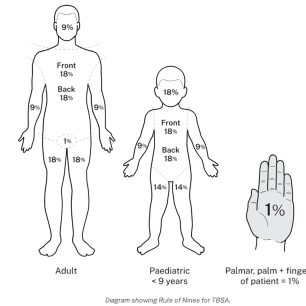
A midnight emergency run across Lough Corrib with a badly burned child—fear, mistakes, and instinct collide in this raw story of risk, parenting, and consequence.By Andy Kirkpatrick
Reflections
U is for Unknown Pleasures
What do you really get out of climbing? Not just the views. A deeply personal reflection on the small, unexpected rewards of mountaineering — from frost-nipped fingers and cheap tea to coming home changed.By Andy Kirkpatrick
Climbing
GriGri Unconfidential
A raw, honest confession about repeatedly fucking up with the Petzl GriGri — misthreading, open-device rappels, and the psychology of climber errors. Not a gear review, but a deep look at why we all make mistakes and why honesty matters more than looking competent.By Andy Kirkpatrick
Climbing
Beyond Help
When professional rescue isn’t coming: A gripping account of a near-fatal fall in Kenya and a fatal accident in Kalymnos. Essential reading on self-rescue, expectations vs reality, and staying alive in the mountains.By Andy Kirkpatrick

Climbing
Psycho Vertical (2017)
"Psycho Vertical: a raw climbing film about fear, obsession, and pushing into the vertical unknown, where control slips and consequences bite."By Andy Kirkpatrick
Reflections
Brotherhood of Rope
Andy Kirkpatrick returns to climbing after a neglected bicep injury, grappling with ego-bruising restarts, chaotic family crag days, and the raw futility of the sport. Reflections on old friends, near-misses, and the heavy shadow of suicide—including the sudden loss of a charismatic climbing mate and a salvific message from a fallen hero—explore pain, connection, and why words can feel like morphine when life unravels. Intimate, humorous, and unflinching.By Andy Kirkpatrick

Reflections
If
A reflective essay by Andy Kirkpatrick on solitude, excuses, and climbing ambition, sparked by Napoleon Hill’s “Fifty-Seven Famous Alibis” and the endless “if only” mindset that holds climbers—and people—back.By Andy Kirkpatrick