
Gear
Grey Market
A reflection on the decline of true innovation in climbing gear, questioning why small disruptive brands are rarer in the globalised era and what holds back the next shed-built breakthrough.
By Andy Kirkpatrick
October 21, 2019
Reading Time:02 minutes.
One thing I don’t like about the globalised world is how rare it is to stumble across something new and unexpected — something that shakes up the dogma of gear and techniques in climbing. Now everything is known. There are no dark corners left where you see something brilliant and realise no one else has clocked it yet. When was the last time you saw a product and it made your brain buzz with possibility? (For me, it was the Grade 7 Equipment Pod Ledge.)
In the 90s these things felt more common. Mono-point crampons. New Alp guide plates. One Sport boots. Cult gear that only nerds and the hardcore even knew existed — the future before we knew it. Back then the only way to spread the word was slow: convince an editor, write it up in a magazine, hope people read it, tried it, told others. A process that could take years. That was before the internet, and you’d imagine the web would have been a boom for climbing cottage industries — the way companies like Troll, Clog, Wild Country and Chouinard began.
But it hasn’t worked out like that.
The lack of small, technical niche start-ups comes down to a few things. One is legislation, which pretty much kills innovation. Why design and sell a better climbing nut when you can skip the legal hoops and just make chalk bags? Then there’s the problem of making things onshore — investing in tools, machines and people — when customers are used to cheap kit and grumble about the price of quality. Only the big companies have the scale, and even they are drifting towards wherever labour is cheapest.
Some will argue this isn’t true. That the big brands are still pushing boundaries: heated chalk bags, lighter kit, new waterproof membranes, eco this and eco that. But are they really? Or are we just refining what we already have — shaving grams, smoothing edges — while calling it innovation?
Which makes a brand like Totem interesting. Like CCH before them, they’ve produced real innovation out of a shed — just as Roland Pauligk did with his revolutionary RPs. It shows it’s still possible.
So what’s stopping others from shaking things up?
PV Podcast
Read More
Reflections
Midnight Run
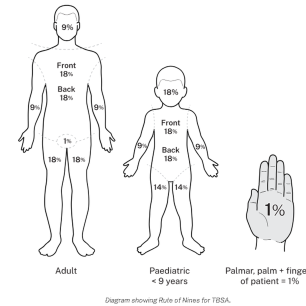
A midnight emergency run across Lough Corrib with a badly burned child—fear, mistakes, and instinct collide in this raw story of risk, parenting, and consequence.By Andy Kirkpatrick
Reflections
G is for Garibotti
A quiet evening in Rolando Garibotti’s Boulder kitchen in 2004 reveals the human side of one of Patagonia’s greatest climbers. A personal reflection on talent, illness, humility, and the day climbing regained its wonder.By Andy Kirkpatrick

Reflections
U is for Unknown Pleasures
What do you really get out of climbing? Not just the views. A deeply personal reflection on the small, unexpected rewards of mountaineering — from frost-nipped fingers and cheap tea to coming home changed.By Andy Kirkpatrick
Climbing
GriGri Unconfidential
A raw, honest confession about repeatedly fucking up with the Petzl GriGri — misthreading, open-device rappels, and the psychology of climber errors. Not a gear review, but a deep look at why we all make mistakes and why honesty matters more than looking competent.By Andy Kirkpatrick
Climbing
Beyond Help
When professional rescue isn’t coming: A gripping account of a near-fatal fall in Kenya and a fatal accident in Kalymnos. Essential reading on self-rescue, expectations vs reality, and staying alive in the mountains.By Andy Kirkpatrick

Climbing
Psycho Vertical (2017)
"Psycho Vertical: a raw climbing film about fear, obsession, and pushing into the vertical unknown, where control slips and consequences bite."By Andy Kirkpatrick
Reflections
Brotherhood of Rope
Andy Kirkpatrick returns to climbing after a neglected bicep injury, grappling with ego-bruising restarts, chaotic family crag days, and the raw futility of the sport. Reflections on old friends, near-misses, and the heavy shadow of suicide—including the sudden loss of a charismatic climbing mate and a salvific message from a fallen hero—explore pain, connection, and why words can feel like morphine when life unravels. Intimate, humorous, and unflinching.By Andy Kirkpatrick