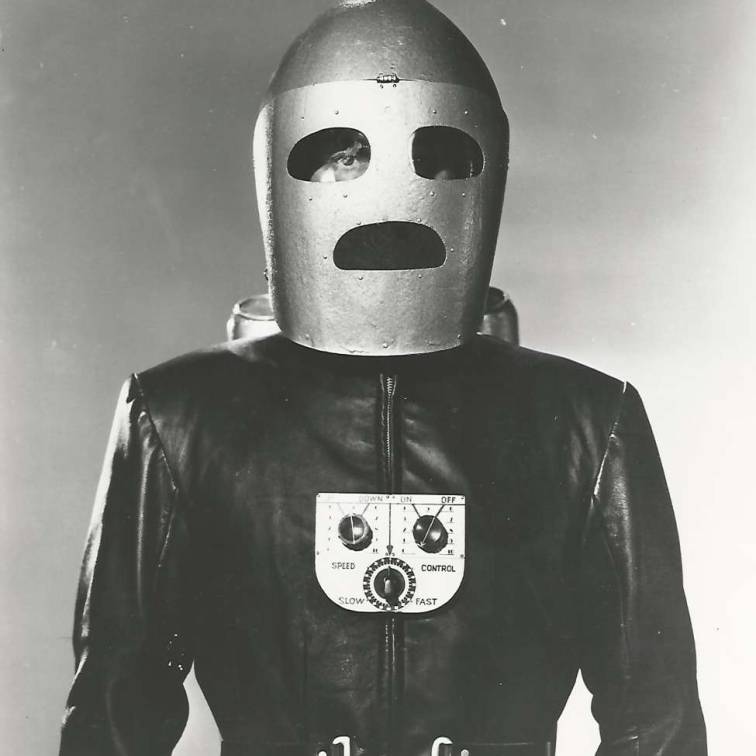
Dark-Half
SPEED - CONTROL - SLOW - FAST
A reflection on base jumping, risk and media spectacle, contrasting its deadly allure with unglamorous but equally hardcore pursuits like caving and climbing.
By Andy Kirkpatrick
June 12, 2012
Reading Time:04 minutes.
Just read about the tragic death of another base jumper, made all the sadder as he was on holiday in Greece with his seven-months-pregnant girlfriend. For some reason the news always seems to pick up on base deaths — of which there are many — yet motorbike, car or cycling deaths rarely get the same treatment. Base jumping feels like the sport of the new century: media-friendly, high drama, perfect for a cinema advert or news clip. It’s so “Dude!!!” who could resist it — even if it’s about as safe as accepting a lift from Johnny Dawes.
I was sat in Café #9 in Netheredge yesterday (great place to write — no internet) and the conversation — which is never good when you’re trying to write — drifted onto caving, one of the owners being a keen caver. We talked about Neil Moss, who became trapped in Peak Cavern in 1959 and couldn’t be extricated. He eventually died from carbon dioxide build-up, and because his body couldn’t be recovered, the passage was sealed.
I remember my dad telling me that story when I was a kid — which, given I was wedged in a tight passage in a cave at the time, wasn’t ideal. The idea of someone being unreachable, and worse, still there, was horrific — and thrilling. I was a morbid child.
We ended up deciding that caving — and maybe fell running — are among the last truly hardcore sports precisely because they are so unsexy. They’ll never be made sexy. Both can be as serious as it gets — arguably more so than Everest or Ironman — but because they lack “Dudeness”, no one cares.
Last year in Norway I stayed with the climber Odd Roar. He told me base jumping there had become as normal as golf. Yet the popularity worried him: three deaths a year in his area alone. Technology has improved — better parachutes, wingsuits that let you track away from the cliff, which is often the real killer. But instead of using that margin to stay safer, people use it to fly closer to the rock. Closer to the edge.
What I like about climbing is that you can be a complete idiot and often survive (walk along the base of Stanage for proof). In base jumping, one mistake can be enough — and sometimes not even that.
A lot of people I know base jump. When Tim Emmett took it up I suggested he organise his own memorial lecture in advance. So I often get asked if I do it. These days, unless you’re dressed in something halfway between Elvis in Vegas and an Australian’s fever dream, hurling yourself off things with a Red Bull in hand, you’re apparently no one.
The answer is no. I don’t base jump. I also don’t slackline, do yoga, take drugs or “chill” — unless it’s below minus forty.
Last year on the Troll Wall a guy — big in base, taught many to jump — emailed offering to teach me. This was my reply:
Thanks for the offer. Years ago I worked with a girl in London who once told me she’d taken heroin and that it was the greatest feeling she’d ever had — better than any orgasm. She said it as we sat on the top deck of a bus. I looked out of the dirty window and thought how lucky she was to have experienced something so profound — and how unlucky. After that, I guessed, ordinary pleasures must pale. You’d spend the rest of your life chasing that first hit.
I made a mental note never to take heroin.
So thanks for the offer — but no thanks.
I don’t remember getting a reply. Usually, when people ask if I base jump, I don’t have time for the bus-and-heroin story. I just say: “I’m planning to kill myself by jumping off a cliff — I’m just skipping the training and the expense.”

PV Podcast
Read More
Reflections
Midnight Run
A midnight emergency run across Lough Corrib with a badly burned child—fear, mistakes, and instinct collide in this raw story of risk, parenting, and consequence.By Andy Kirkpatrick
Reflections
G is for Garibotti
A quiet evening in Rolando Garibotti’s Boulder kitchen in 2004 reveals the human side of one of Patagonia’s greatest climbers. A personal reflection on talent, illness, humility, and the day climbing regained its wonder.By Andy Kirkpatrick
Reflections
U is for Unknown Pleasures
What do you really get out of climbing? Not just the views. A deeply personal reflection on the small, unexpected rewards of mountaineering — from frost-nipped fingers and cheap tea to coming home changed.By Andy Kirkpatrick
Climbing
GriGri Unconfidential
A raw, honest confession about repeatedly fucking up with the Petzl GriGri — misthreading, open-device rappels, and the psychology of climber errors. Not a gear review, but a deep look at why we all make mistakes and why honesty matters more than looking competent.By Andy Kirkpatrick
Climbing
Beyond Help
When professional rescue isn’t coming: A gripping account of a near-fatal fall in Kenya and a fatal accident in Kalymnos. Essential reading on self-rescue, expectations vs reality, and staying alive in the mountains.By Andy Kirkpatrick

Climbing
Psycho Vertical (2017)
"Psycho Vertical: a raw climbing film about fear, obsession, and pushing into the vertical unknown, where control slips and consequences bite."By Andy Kirkpatrick
Reflections
Brotherhood of Rope
Andy Kirkpatrick returns to climbing after a neglected bicep injury, grappling with ego-bruising restarts, chaotic family crag days, and the raw futility of the sport. Reflections on old friends, near-misses, and the heavy shadow of suicide—including the sudden loss of a charismatic climbing mate and a salvific message from a fallen hero—explore pain, connection, and why words can feel like morphine when life unravels. Intimate, humorous, and unflinching.By Andy Kirkpatrick